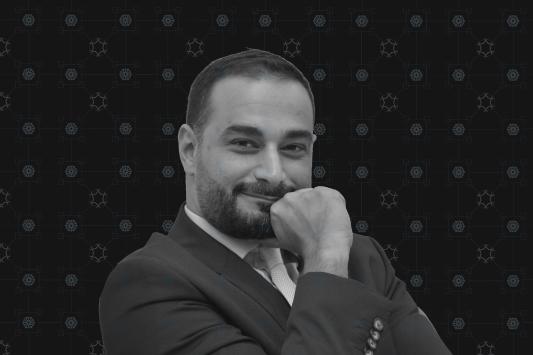
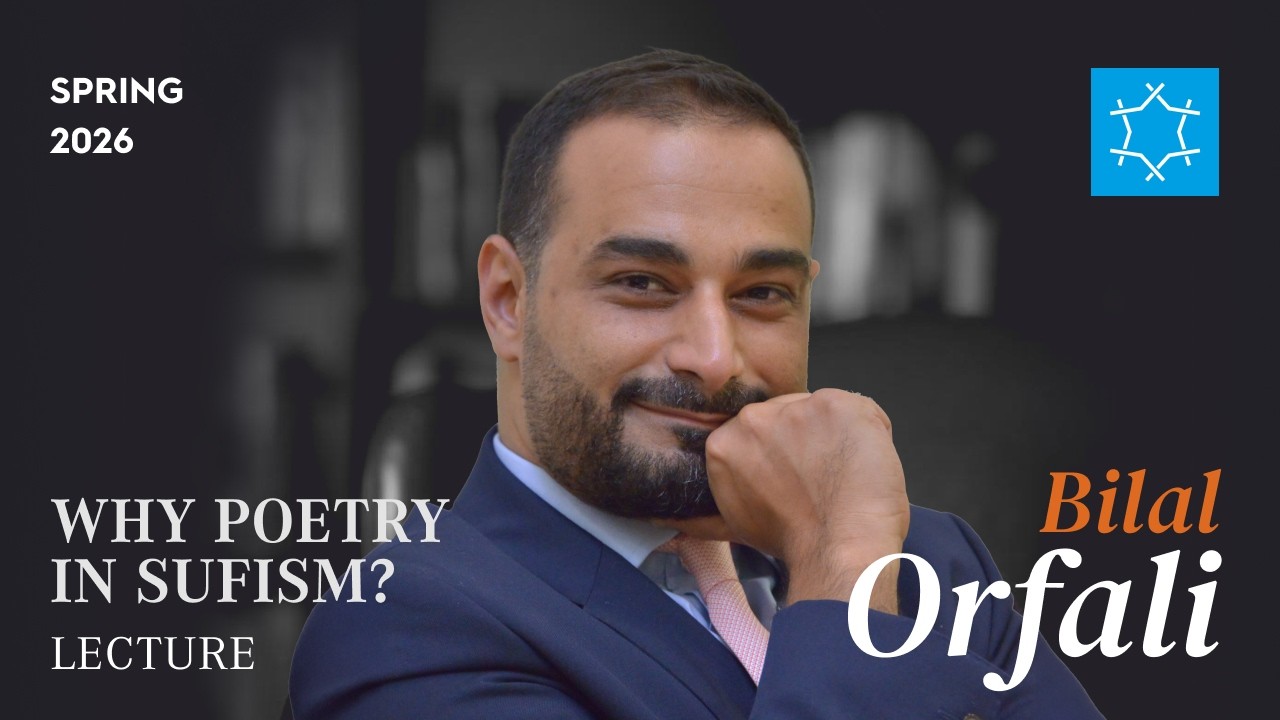
Bilal Orfali
Bilal Orfali is Professor of Arabic and Islamic Studies the American University of Beirut and one of the foremost contemporary scholars of Arabic literature and Islamic intellectual traditions. His work spans a wide range of disciplines, including Qur’anic studies, Sufism, narratology, Arabic philology, and manuscript studies, reflecting a deep commitment to the study and preservation of the Arabic intellectual heritage.
Born and educated in Lebanon, Professor Orfali pursued advanced studies in Arabic literature and Islamic studies, developing expertise in both classical and modern approaches to Arabic texts. His scholarship is distinguished by its combination of meticulous philological analysis, literary sensitivity, and broad historical vision. Through his research, teaching, and editorial work, he has helped illuminate the richness and diversity of Arabic literary and intellectual traditions.
A major focus of Professor Orfali's research concerns classical Arabic literature and the ways literary forms shape the transmission of knowledge, ethics, and spirituality. His studies draw on poetry, prose, narrative literature, and scholarly texts to explore the intellectual worlds of premodern Muslim societies. In particular, his work on narratology has opened new perspectives on the relationship between literary form, religious meaning, and cultural memory in Arabic traditions.
Professor Orfali has also made important contributions to the study of the Qur'an and Sufism. His research investigates how Muslim scholars, commentators, and mystics engaged with sacred texts and developed rich interpretive traditions that continue to shape Islamic thought today. Through studies of devotional, literary, and intellectual writings, he has highlighted the close relationship between spirituality and literary culture in the Islamic world.
Beyond his own scholarship, Professor Orfali has played a major role in the preservation and publication of the Arabic intellectual heritage. He serves as editor of the Sheikh Zayed Series for Arabic and Islamic Texts, one of the most important initiatives dedicated to producing critical editions of classical Arabic works. He is also handling editor of al-Markaz: Journal of Arabic Studies, associate editor of the Journal of Arabic Literature, editor of al-Abhath, and co-editor of Brill’s Texts and Studies on the Qur’an and Handbook of Sufi Studies series. Through these roles, he has helped shape contemporary scholarship on Arabic and Islamic studies across multiple disciplines.
The author and editor of nearly thirty books in Arabic and English, Professor Orfali serves on the advisory boards of numerous international journals, book series, and scholarly projects in the Middle East, Europe, and North America. His work has earned widespread recognition for its contributions to the study of Arabic literature, Islamic intellectual history, and textual scholarship.
At Tokat, he lectures on Arabic and Islamic literatures as living intellectual traditions, inviting students to explore how literary expression, sacred texts, and spiritual writings have shaped Muslim understandings of knowledge, beauty, and the human experience.