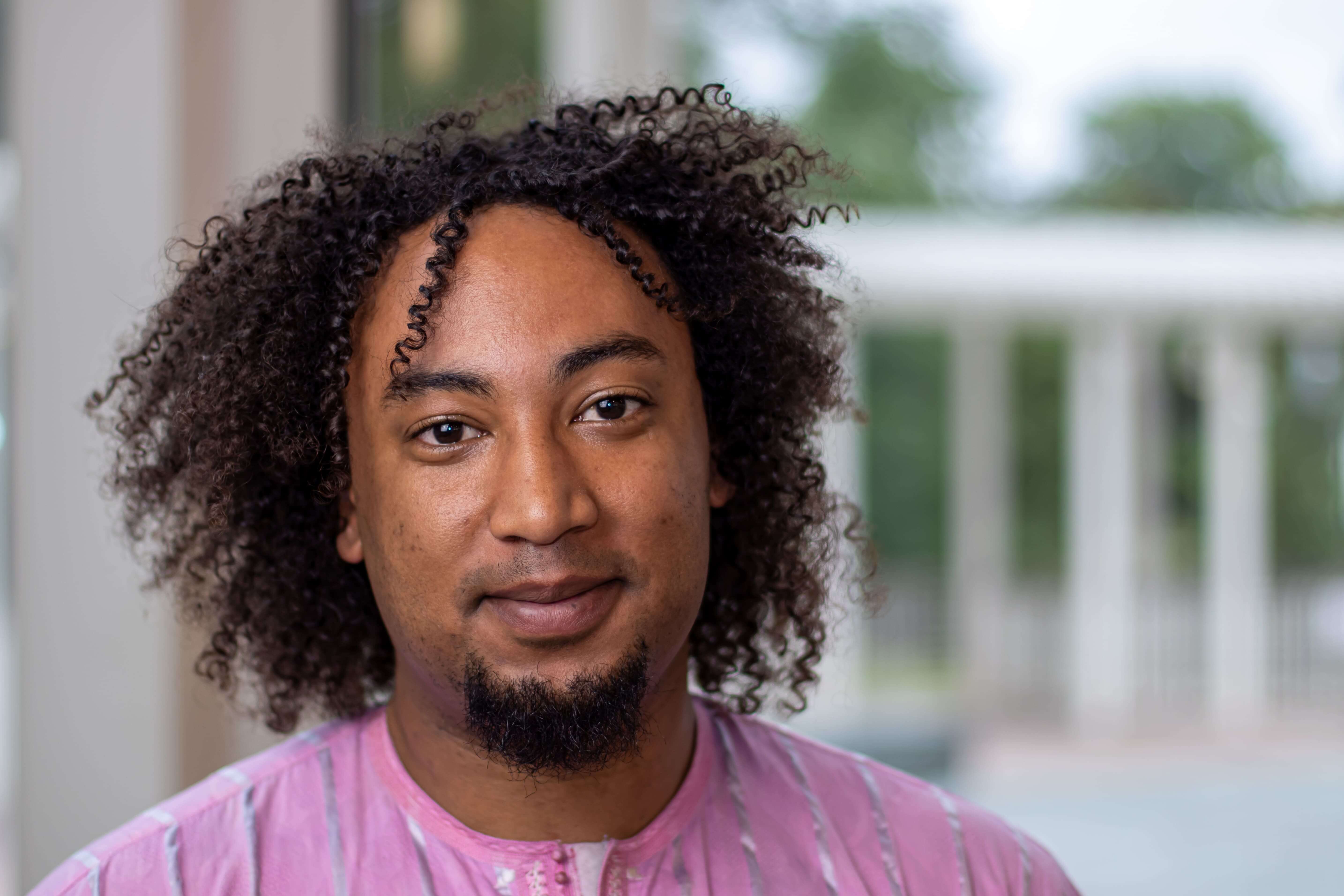
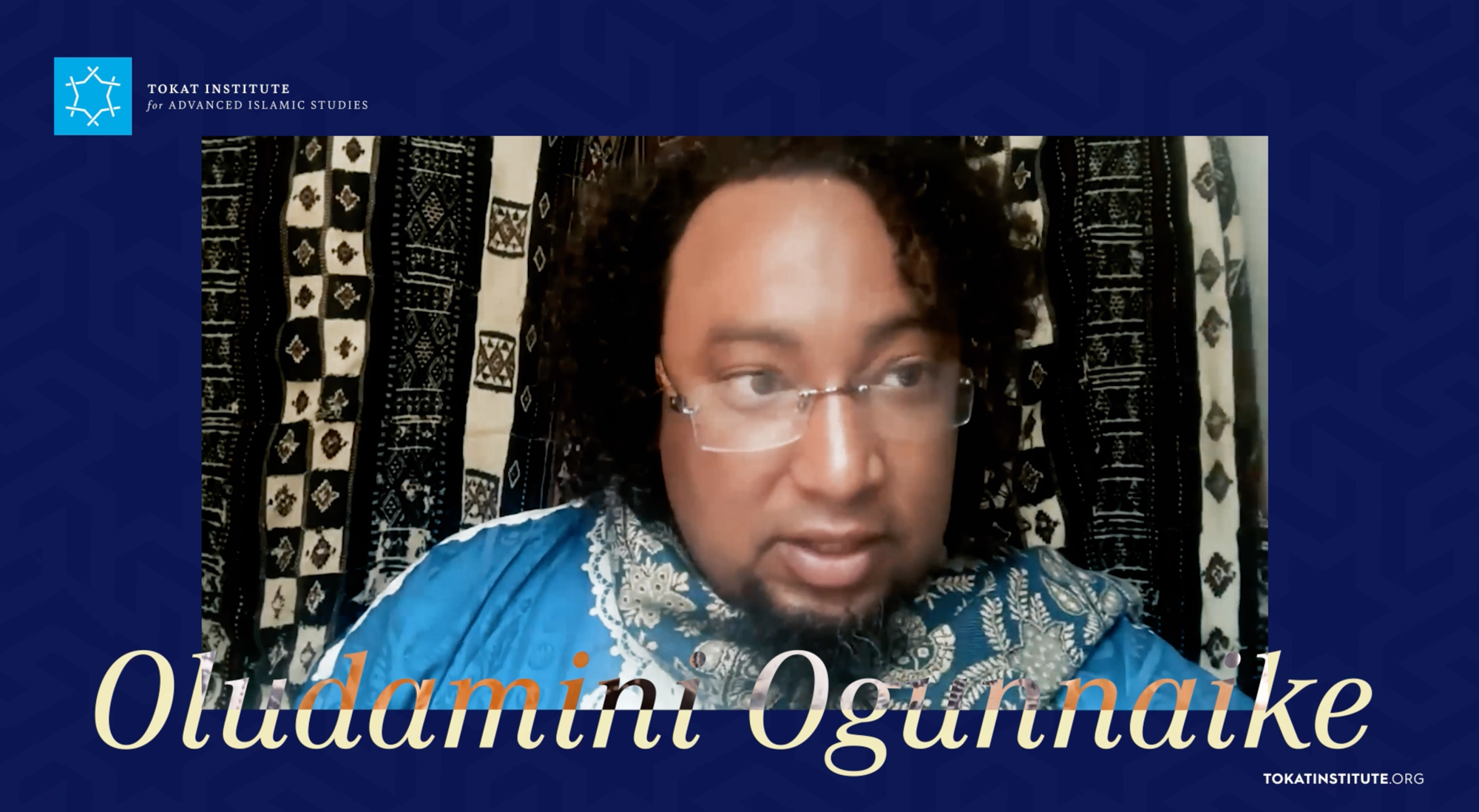
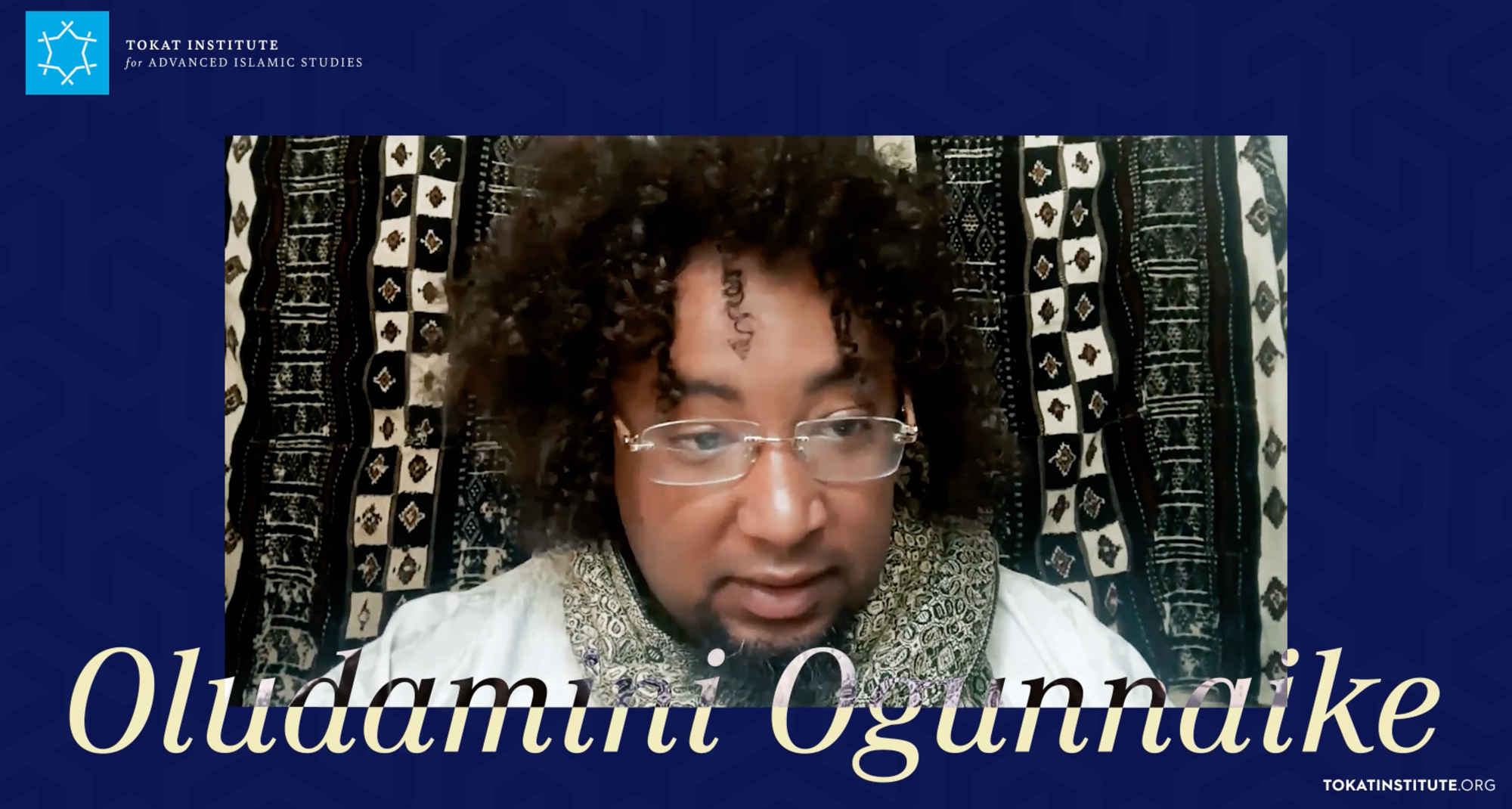
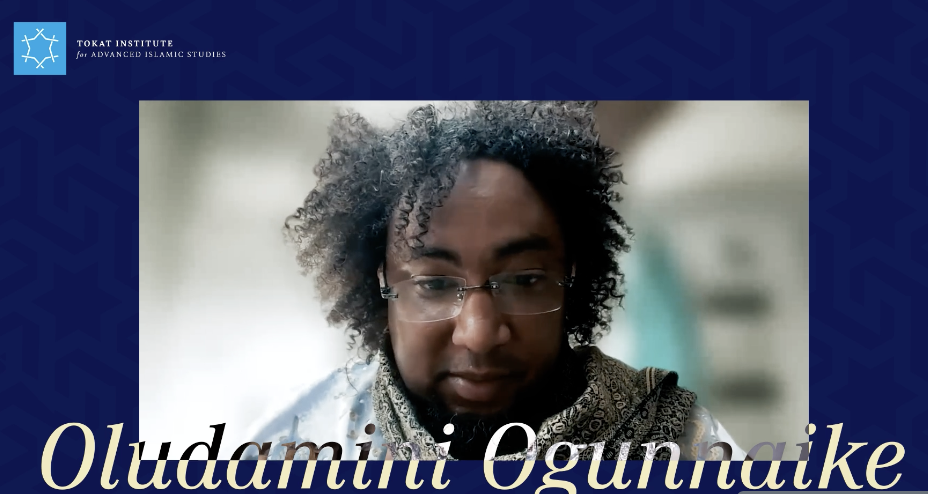
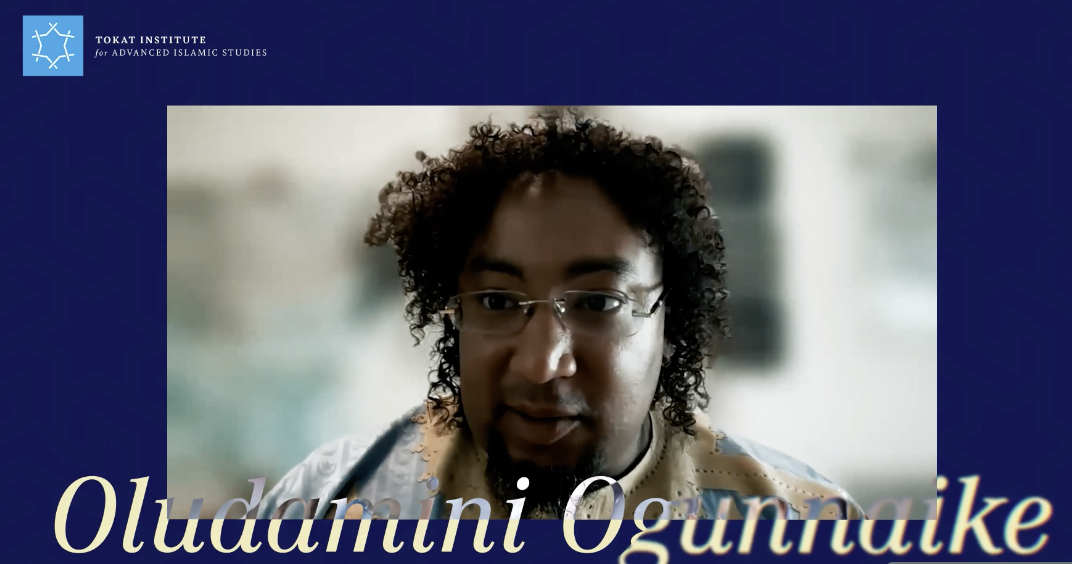
Oludamini Ogunnaike
Oludamini Ogunnaike is Associate Professor of African Religious Thought and Democracy at the University of Virginia and one of the leading contemporary scholars of African Islamic intellectual traditions, comparative philosophy, and religious thought. His work explores the intersections of Islam, indigenous African traditions, metaphysics, aesthetics, and decolonial inquiry, offering fresh perspectives on the intellectual and spiritual heritage of Africa and its significance for global conversations about knowledge and human flourishing.
Educated at Harvard University, Professor Ogunnaike’s scholarship is distinguished by its breadth and interdisciplinarity. Drawing upon Islamic studies, philosophy, religious studies, literature, and African intellectual history, he examines how different traditions of wisdom have addressed enduring questions concerning reality, consciousness, beauty, knowledge, and the cultivation of the human person.
A major focus of Professor Ogunnaike’s research concerns the Islamic intellectual traditions of West and North Africa. His work highlights the sophisticated philosophical, theological, and mystical traditions that developed across the African continent, challenging narratives that marginalize Africa’s role in the history of ideas. Through studies of Sufism, metaphysics, and religious practice, he has demonstrated the central place of African Muslim scholars and communities within the broader history of Islamic civilization.
Professor Ogunnaike is also widely recognized for his contributions to cross-cultural and decolonial philosophy. His scholarship explores how intellectual traditions from Africa, the Islamic world, and beyond can contribute to a genuinely global philosophy that moves beyond inherited colonial frameworks. By bringing African and Islamic perspectives into conversation with contemporary philosophical debates, he has helped open new pathways for thinking about knowledge, ethics, democracy, and the human condition.
His influential book Deep Knowledge explores the metaphysical and epistemological foundations of African and Islamic intellectual traditions, examining how different forms of knowing shape understandings of reality and selfhood. The work exemplifies his broader effort to recover neglected traditions of wisdom while demonstrating their continuing relevance for contemporary intellectual life.
In addition to his scholarly work, Professor Ogunnaike is an accomplished poet whose collection The Book of Clouds reflects many of the spiritual, philosophical, and aesthetic themes that animate his academic research. His writings move fluidly between scholarship and creative expression, illustrating the deep connections between knowledge, imagination, and spiritual insight.
At Tokat, he teaches Islamic and African intellectual traditions as living sources of wisdom, inviting students to explore how diverse philosophical and spiritual traditions can illuminate contemporary questions concerning knowledge, love, and human flourishing.