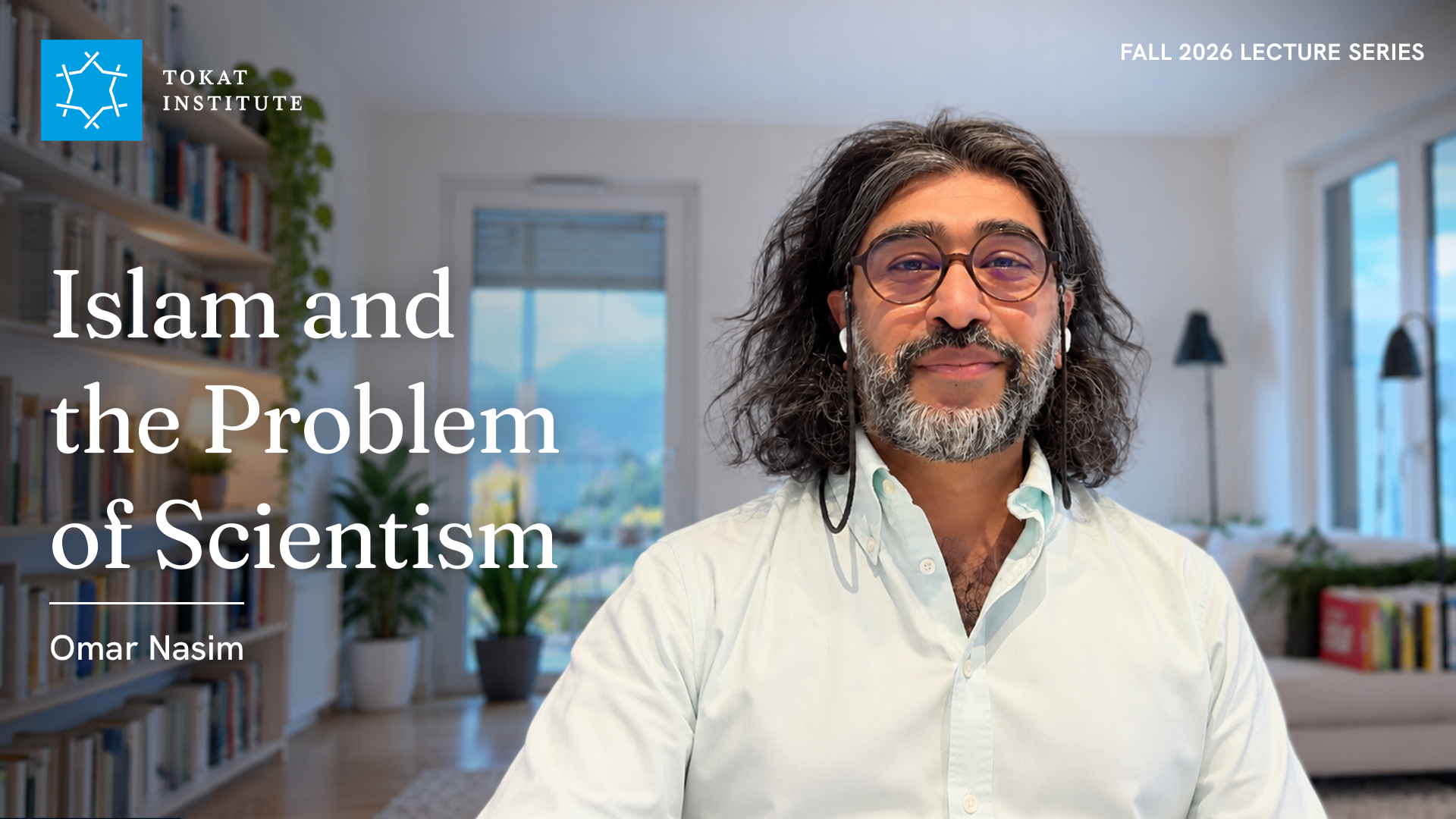
Omar W. Nasim is Professor of the History of Science at the University of Regensburg, Germany, where he holds the Professorship for the History of Science within the Institute of Philosophy. He completed a Bachelor's degree with honours in Philosophy and Physics at the University of Manitoba, followed by a doctorate in Philosophy at the University of Toronto (2007), supervised by Ian Hacking and Alasdair Urquhart. He obtained his Habilitation in the History of Science and Technology at ETH Zurich in 2012. Prior to his appointment at Regensburg in 2016, he held research and teaching positions and fellowships at the Max Planck Institute for the History of Science (Berlin), the Kunsthistorisches Institut in Florence, the University of Basel, ETH Zurich, the Vossius Center for the History of Humanities and Sciences (Amsterdam), the University of Oxford (Newton International Fellow, British Academy), and the University of Kent.
His three monographs have each received major recognition. Bertrand Russell and the Edwardian Philosophers (2008) won the Bertrand Russell Society's Book of the Year Award. Observing by Hand: Sketching the Nebulae in the Nineteenth Century (University of Chicago Press, 2013), supported by a Getty Foundation grant, won both the Choice Outstanding Academic Title Award and the History of Science Society's Pfizer Prize (2016), the field's highest distinction for a scholarly monograph. The Astronomer's Chair: A Visual and Cultural History (MIT Press, 2021) has been widely reviewed internationally and translated into Chinese by CITIC Press.
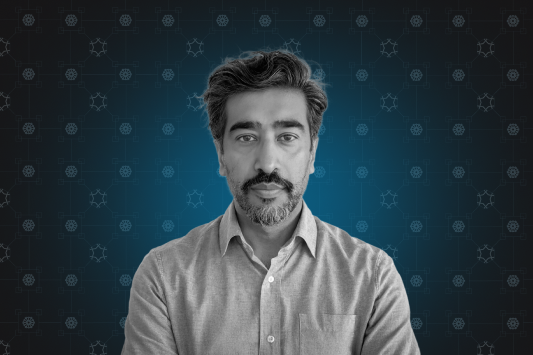

Seyyed Hossein Nasr is one of the world’s foremost authorities on Islamic intellectual and spiritual history. The first non-Western philosopher to give the Gifford Lectures, he has devoted sixty years to the recovery and transmission of the Islamic intellectual tradition. At Tokat, he teaches what cannot be found in any other living classroom.
Seyyed Hossein Nasr was born in Tehran in 1933 and educated in the United States, completing a doctorate in the history of science and learning at Harvard in 1958. He returned to Iran to teach at the University of Tehran and became president of the Iranian Academy of Philosophy before leaving the country in 1979.
Nasr’s scholarship spans Islamic philosophy, cosmology, and the history of science — but at its centre is a sustained argument that the Islamic intellectual tradition offers a coherent and living alternative to the dominant assumptions of modern Western thought.
He has written more than fifty books — among them Ideals and Realities of Islam, Knowledge and the Sacred, and Islamic Philosophy from its Origin to the Present. He is one of the few living scholars whose work belongs simultaneously to philosophy, religious studies, and the history of science.
At Tokat, Professor Nasr teaches what cannot be transmitted through books alone: the questions, the method of approach, and the felt sense of what Islamic metaphysics is asking.
An eight-week inquiry into being, knowledge, and existence as understood through the Islamic intellectual tradition — from Ibn Sina and Mulla Sadra to the living present. Not a survey. A sustained encounter with the deepest questions the tradition has asked.
An eight-week inquiry into being, knowledge, and existence as understood through the Islamic intellectual tradition. Not a survey. A sustained encounter with the deepest questions the tradition has asked.
This archive is available to Associate members. Scholar Notes, Deep Dives, and the full lecture library — included at $99 / year.
Become an AssociateThis archive is available to Associate members. Scholar Notes, Deep Dives, and the full lecture library — included at $99 / year.
Become an Associate