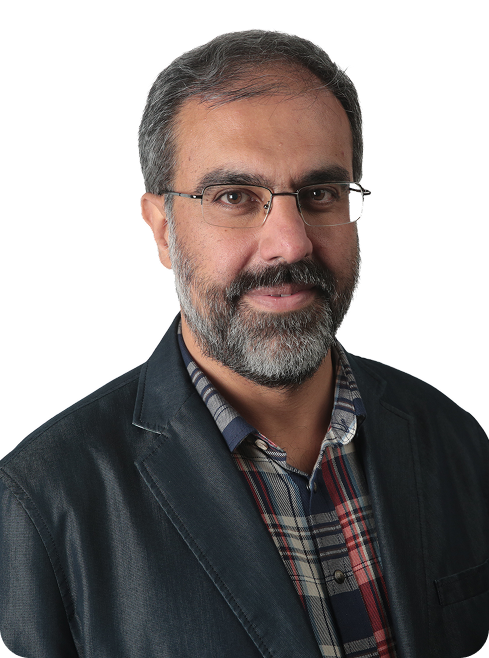
Sayeh Meisami is Professor of Philosophy at the University of Dayton and a distinguished scholar of Islamic philosophy and intellectual history. Her work combines rigorous philosophical analysis with close engagement with classical Islamic texts, illuminating the richness and continuing relevance of Islamic philosophical traditions for contemporary intellectual life.
Professor Meisami holds two doctoral degrees: a PhD in Analytic Philosophy from the University of Tehran and a PhD in Islamic Philosophy from the University of Toronto. This dual training has shaped her distinctive scholarly approach, allowing her to bring contemporary philosophical methods into dialogue with the metaphysical, epistemological, and ethical traditions of Islamic thought. Her work consistently demonstrates how classical Islamic philosophers addressed questions that remain central to philosophy today.
A major focus of Professor Meisami’s scholarship has been the study of later Islamic philosophy, particularly the works of Mullā Ṣadrā, one of the most influential thinkers in the Islamic intellectual tradition. Her book Mulla Sadra (2013) provides a concise introduction to Ṣadrā's thought, while her broader research explores themes such as existence, knowledge, causality, consciousness, and spiritual transformation within the Sadrian tradition.
Professor Meisami has also made important contributions to the study of Ismaili intellectual history and philosophy. Her book Knowledge and Power in the Philosophies of Ḥamīd al-Dīn Kirmānī and Mullā Ṣadrā Shīrāzī (2018) offers a comparative examination of two major Islamic thinkers, exploring how philosophical reflection intersects with questions of authority, governance, and the transmission of knowledge. Her work highlights the diversity and complexity of Islamic philosophical traditions across historical periods and intellectual communities.
Professor Meisami is also committed to making Islamic philosophy accessible to broader audiences. Her recent book Exploring Islamic Philosophy (2025) introduces readers to the field through key metaphysical concepts that connect diverse areas of inquiry, including theories of reality, knowledge, the soul, good and evil, gender, power, and ecology. The work exemplifies her conviction that Islamic philosophy offers valuable resources for addressing contemporary intellectual and ethical challenges.
Through her teaching and scholarship, Professor Meisami has contributed to a growing appreciation of Islamic philosophy as a vibrant and living tradition of inquiry. Her work demonstrates how philosophical reflection in the Islamic world continues to illuminate fundamental questions concerning existence, meaning, knowledge, and human flourishing.
At Tokat, she lectures on Islamic philosophy as an integrated intellectual tradition in which metaphysics, ethics, spirituality, and cultural imagination come together to address the deepest questions about reality and the human condition.


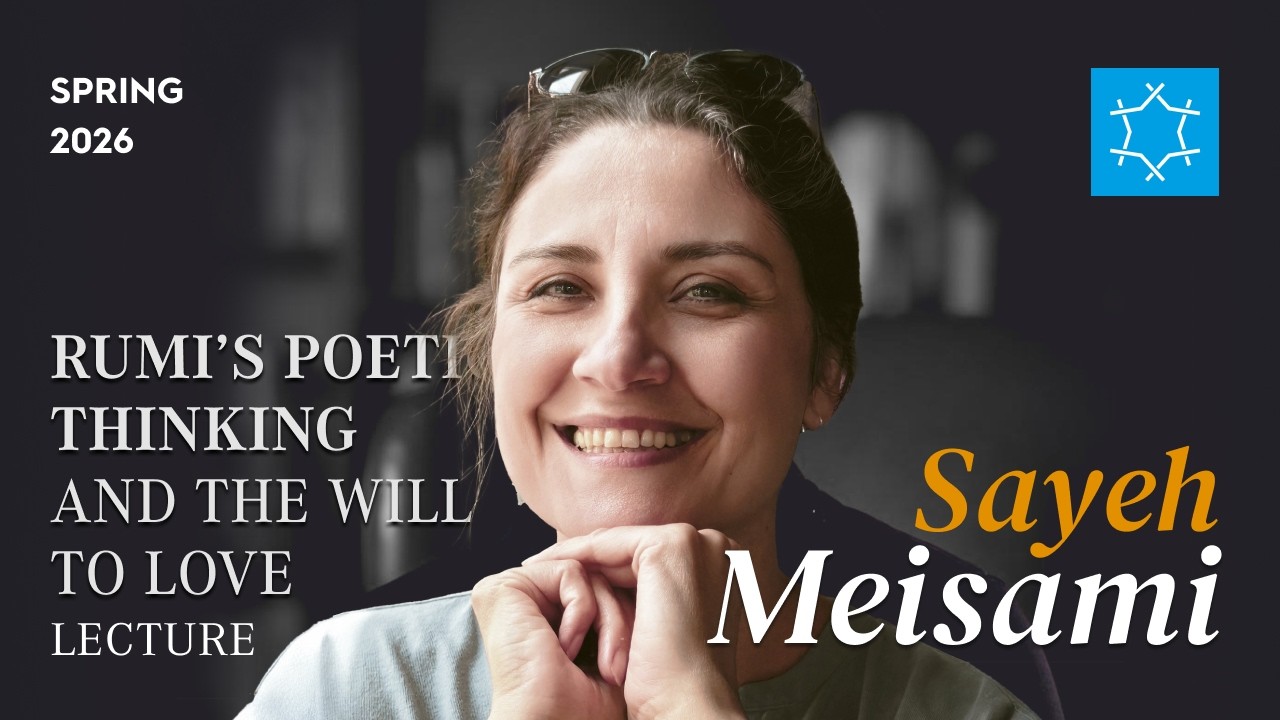
Sayeh Meisami is a leading scholar of Islamic philosophy whose work focuses on both classical Islamic intellectual traditions and contemporary philosophical inquiry. Her research explores metaphysics, epistemology, Neoplatonism, Ismaili thought, and the philosophical traditions of Islam, with particular attention to Mullā Ṣadrā, Nāṣir al-Dīn Ṭūsī, and Ḥamīd al-Dīn Kirmānī. Through both scholarly and public-facing writings, Professor Meisami has helped make Islamic philosophy accessible to wider audiences while demonstrating its continuing relevance for contemporary discussions concerning knowledge, reality, ethics, power, and the human condition.
Sayeh Meisami is Professor of Philosophy at the University of Dayton and a distinguished scholar of Islamic philosophy and intellectual history. Her work combines rigorous philosophical analysis with close engagement with classical Islamic texts, illuminating the richness and continuing relevance of Islamic philosophical traditions for contemporary intellectual life.
Professor Meisami holds two doctoral degrees: a PhD in Analytic Philosophy from the University of Tehran and a PhD in Islamic Philosophy from the University of Toronto. This dual training has shaped her distinctive scholarly approach, allowing her to bring contemporary philosophical methods into dialogue with the metaphysical, epistemological, and ethical traditions of Islamic thought. Her work consistently demonstrates how classical Islamic philosophers addressed questions that remain central to philosophy today.
A major focus of Professor Meisami’s scholarship has been the study of later Islamic philosophy, particularly the works of Mullā Ṣadrā, one of the most influential thinkers in the Islamic intellectual tradition. Her book Mulla Sadra (2013) provides a concise introduction to Ṣadrā's thought, while her broader research explores themes such as existence, knowledge, causality, consciousness, and spiritual transformation within the Sadrian tradition.
Professor Meisami has also made important contributions to the study of Ismaili intellectual history and philosophy. Her book Knowledge and Power in the Philosophies of Ḥamīd al-Dīn Kirmānī and Mullā Ṣadrā Shīrāzī (2018) offers a comparative examination of two major Islamic thinkers, exploring how philosophical reflection intersects with questions of authority, governance, and the transmission of knowledge. Her work highlights the diversity and complexity of Islamic philosophical traditions across historical periods and intellectual communities.
Professor Meisami is also committed to making Islamic philosophy accessible to broader audiences. Her recent book Exploring Islamic Philosophy (2025) introduces readers to the field through key metaphysical concepts that connect diverse areas of inquiry, including theories of reality, knowledge, the soul, good and evil, gender, power, and ecology. The work exemplifies her conviction that Islamic philosophy offers valuable resources for addressing contemporary intellectual and ethical challenges.
Through her teaching and scholarship, Professor Meisami has contributed to a growing appreciation of Islamic philosophy as a vibrant and living tradition of inquiry. Her work demonstrates how philosophical reflection in the Islamic world continues to illuminate fundamental questions concerning existence, meaning, knowledge, and human flourishing.
At Tokat, she lectures on Islamic philosophy as an integrated intellectual tradition in which metaphysics, ethics, spirituality, and cultural imagination come together to address the deepest questions about reality and the human condition.