Shawkat M. Toorawa is Brand Blanshard Professor of Near Eastern Languages & Civilizations and Professor of Comparative Literature at Yale University. One of the most distinguished contemporary scholars of Arabic literature, his work ranges across classical and modern Arabic texts, Qur’anic studies, translation, comparative literature, and Indian Ocean intellectual history. His scholarship combines philological precision with literary imagination, illuminating the many ways Arabic texts have shaped intellectual and cultural life across centuries.
Professor Toorawa received his BA, MA, and PhD from the University of Pennsylvania and has taught at several leading institutions, including Cornell University, the University of Mauritius, Duke University, and Yale University. His intellectual formation reflects a unique combination of literary scholarship, global perspective, and deep engagement with the interconnected worlds of Africa, the Middle East, South Asia, and the Indian Ocean.
A major focus of Professor Toorawa’s research is the literary culture of Abbasid Baghdad, one of the most vibrant intellectual centers in world history. His studies explore the writers, scholars, bibliophiles, and literary networks that shaped classical Arabic culture. His influential work on Ibn Abī Ṭāhir Ṭayfūr and the broader writerly culture of the Abbasid period has deepened scholarly understanding of how knowledge, literature, and social life intersected in the formative centuries of Islamic civilization.
Professor Toorawa has also made significant contributions to Qur’anic studies. His research examines the literary dimensions of the Qur’an, including its language, rhyme patterns, rare vocabulary, and translation. Through both scholarly analysis and translation projects, he has highlighted the Qur’an's literary artistry and its enduring influence on Arabic literary culture. His volume The Devotional Qur’an offers readers access to some of the most beloved passages of the Islamic scripture through elegant English translation and commentary.
Another important area of his scholarship concerns translation and comparative literature. Professor Toorawa has translated and edited a wide range of Arabic texts, from classical biographies and literary anthologies to modern poetry. His work on the Syrian-Lebanese poet Adonis, Arabic autobiography, women’s biographies, and literary anthologies demonstrates a commitment to making Arabic literary traditions accessible to wider audiences while preserving their linguistic and cultural richness.
Beyond Arabic literature, Professor Toorawa's research extends to Indian Ocean studies, particularly the cultural and literary connections linking Africa, Arabia, South Asia, and Southeast Asia. His interests include the literary traditions of Mauritius, the symbolic and mythical dimensions of the Waqwaq Tree, and the broader circulation of stories, ideas, and peoples across the Indian Ocean world.
Professor Toorawa is the author, editor, or translator of numerous influential works, including Interpreting the Self, Ibn Abi Tahir Tayfur and Arabic Writerly Culture, A Time Between Ashes and Roses, Arabic Literary Culture, 500–925, Consorts of the Caliphs, The City That Never Sleeps, and The Devotional Qur’an. He is also a member of the scholarly alliance RRAALL, Executive Editor of the Library of Arabic Literature, Director of the School of Abbasid Studies, and serves on the editorial boards of several major academic journals and publication series.
At Tokat, he lectures on Arabic literature and Qur’anic studies as living traditions of language, imagination, and intellectual inquiry, guiding students through material that helped shape one of the world’s great literary civilizations.
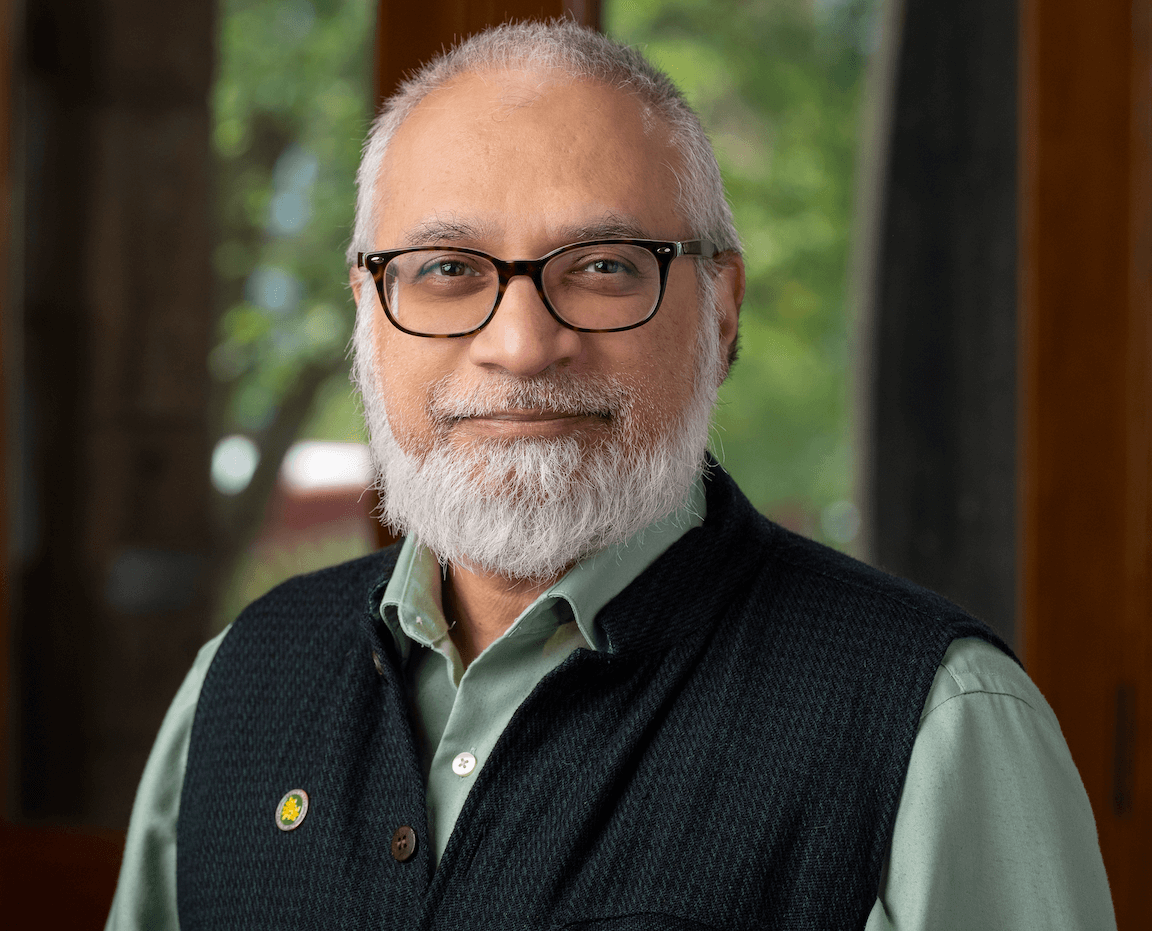

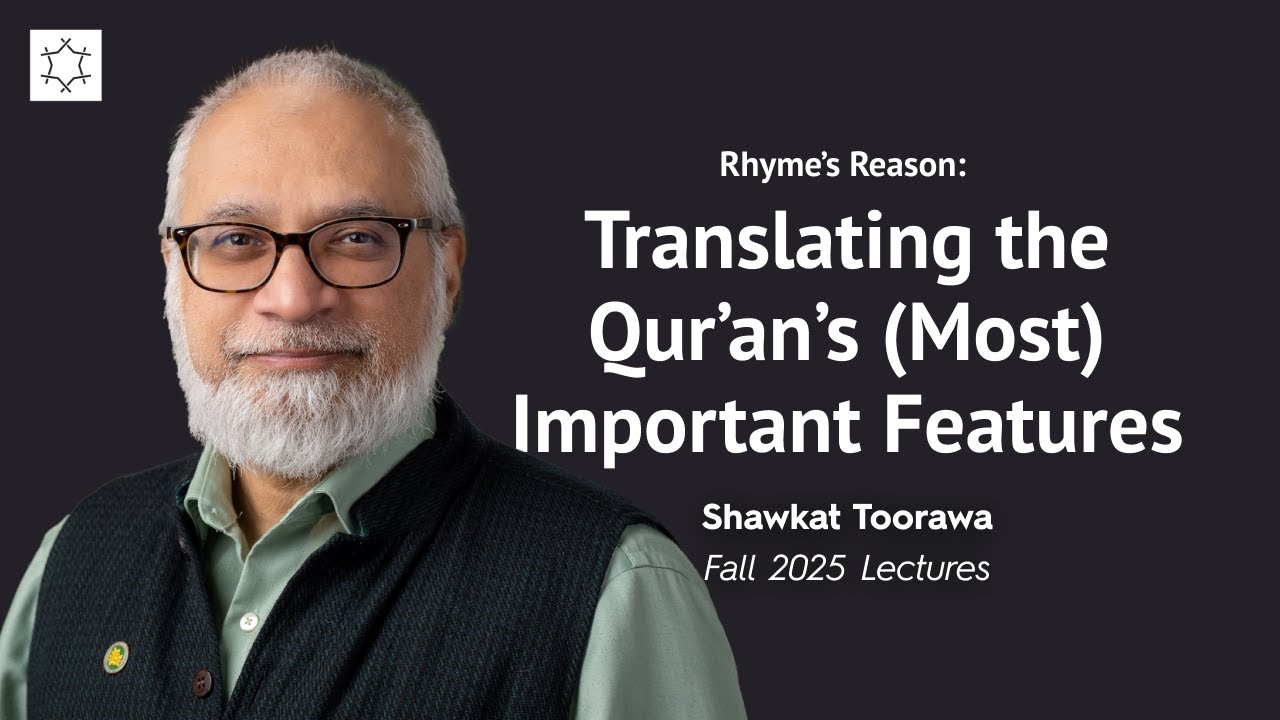
Shawkat M. Toorawa is one of the leading contemporary scholars of Arabic literature and Qur’anic studies. His research spans classical Arabic literary culture, Abbasid intellectual history, the Qur’an, translation, comparative literature, and Indian Ocean studies. Renowned for his wide-ranging scholarship and literary sensibility, Professor Toorawa has illuminated the rich writerly traditions of the Arabic-speaking world while helping bring classical and modern Arabic texts to broader audiences through translation, editing, and public scholarship.
Shawkat M. Toorawa is Brand Blanshard Professor of Near Eastern Languages & Civilizations and Professor of Comparative Literature at Yale University. One of the most distinguished contemporary scholars of Arabic literature, his work ranges across classical and modern Arabic texts, Qur’anic studies, translation, comparative literature, and Indian Ocean intellectual history. His scholarship combines philological precision with literary imagination, illuminating the many ways Arabic texts have shaped intellectual and cultural life across centuries.
Professor Toorawa received his BA, MA, and PhD from the University of Pennsylvania and has taught at several leading institutions, including Cornell University, the University of Mauritius, Duke University, and Yale University. His intellectual formation reflects a unique combination of literary scholarship, global perspective, and deep engagement with the interconnected worlds of Africa, the Middle East, South Asia, and the Indian Ocean.
A major focus of Professor Toorawa’s research is the literary culture of Abbasid Baghdad, one of the most vibrant intellectual centers in world history. His studies explore the writers, scholars, bibliophiles, and literary networks that shaped classical Arabic culture. His influential work on Ibn Abī Ṭāhir Ṭayfūr and the broader writerly culture of the Abbasid period has deepened scholarly understanding of how knowledge, literature, and social life intersected in the formative centuries of Islamic civilization.
Professor Toorawa has also made significant contributions to Qur’anic studies. His research examines the literary dimensions of the Qur’an, including its language, rhyme patterns, rare vocabulary, and translation. Through both scholarly analysis and translation projects, he has highlighted the Qur’an's literary artistry and its enduring influence on Arabic literary culture. His volume The Devotional Qur’an offers readers access to some of the most beloved passages of the Islamic scripture through elegant English translation and commentary.
Another important area of his scholarship concerns translation and comparative literature. Professor Toorawa has translated and edited a wide range of Arabic texts, from classical biographies and literary anthologies to modern poetry. His work on the Syrian-Lebanese poet Adonis, Arabic autobiography, women’s biographies, and literary anthologies demonstrates a commitment to making Arabic literary traditions accessible to wider audiences while preserving their linguistic and cultural richness.
Beyond Arabic literature, Professor Toorawa's research extends to Indian Ocean studies, particularly the cultural and literary connections linking Africa, Arabia, South Asia, and Southeast Asia. His interests include the literary traditions of Mauritius, the symbolic and mythical dimensions of the Waqwaq Tree, and the broader circulation of stories, ideas, and peoples across the Indian Ocean world.
Professor Toorawa is the author, editor, or translator of numerous influential works, including Interpreting the Self, Ibn Abi Tahir Tayfur and Arabic Writerly Culture, A Time Between Ashes and Roses, Arabic Literary Culture, 500–925, Consorts of the Caliphs, The City That Never Sleeps, and The Devotional Qur’an. He is also a member of the scholarly alliance RRAALL, Executive Editor of the Library of Arabic Literature, Director of the School of Abbasid Studies, and serves on the editorial boards of several major academic journals and publication series.
At Tokat, he lectures on Arabic literature and Qur’anic studies as living traditions of language, imagination, and intellectual inquiry, guiding students through material that helped shape one of the world’s great literary civilizations.