BACK TO ALL SERIES
Persian Literature
Dr. Nariman Aavani
Persian literature in translation through some of its most influential texts
ONLINE COURSE
14 Hours
LECTURES
1 Session
STREAM
PRE-RECORDED
As one of the world’s richest literary traditions, Persian has long served as a vital medium for religious expression, scientific inquiry, and literary creation across a vast geographic expanse stretching from the Balkans to China. This course introduces students to Persian literature in translation through some of its most influential texts, including Ferdowsi’s Shahnameh, Nezami’s Haft Paykar, Sa‘di’s Golestan, ‘Attar’s Mantiq al-tayr, Rumi’s Masnavi, and the ghazals of Hafez. Highlighting the diversity of genres, voices, and audiences that constitute the Persian literary tradition, the course explores themes such as eloquence and the beauty of speech, human and divine love, kingship and heroism, ethics, virtue, and the quest for human flourishing.
September 15
Introduction: The Worlds of Persian Literature
Readings: J.T.P. de Bruijn, “Persian Literature”
September 22
Ferdowsi: Shāhnāma
Readings: D. Davis, Shahnama: The Persian Book of Kings, “Introduction,”13-37
September 29
Nizami: Haft Peykar
Readings: J. S. Meisami, Haft Paykar: A Medieval Persian Romance, selections
October 6
Sa‘di: Golestān:
Readings: H. Katouzian, Sa ‘di: the Poet of Life, chapters 1, 2
October 13
Attar: Conference of the Birds
Readings: D. Davis, A. Darbandi, The Conference of the Birds, Introduction”, R. Stepien, “A Study in Sufi Poetics”
October 20
Rumi: Masnavī
Readings: W. Chittick, The Sufi Path of Love, III. B, on “Love”
October 27
Hafez: Ghazaliyyāt
Readings: C. Zargar, “Narrativity in the Poetry of Hafez”
Instructor Bio
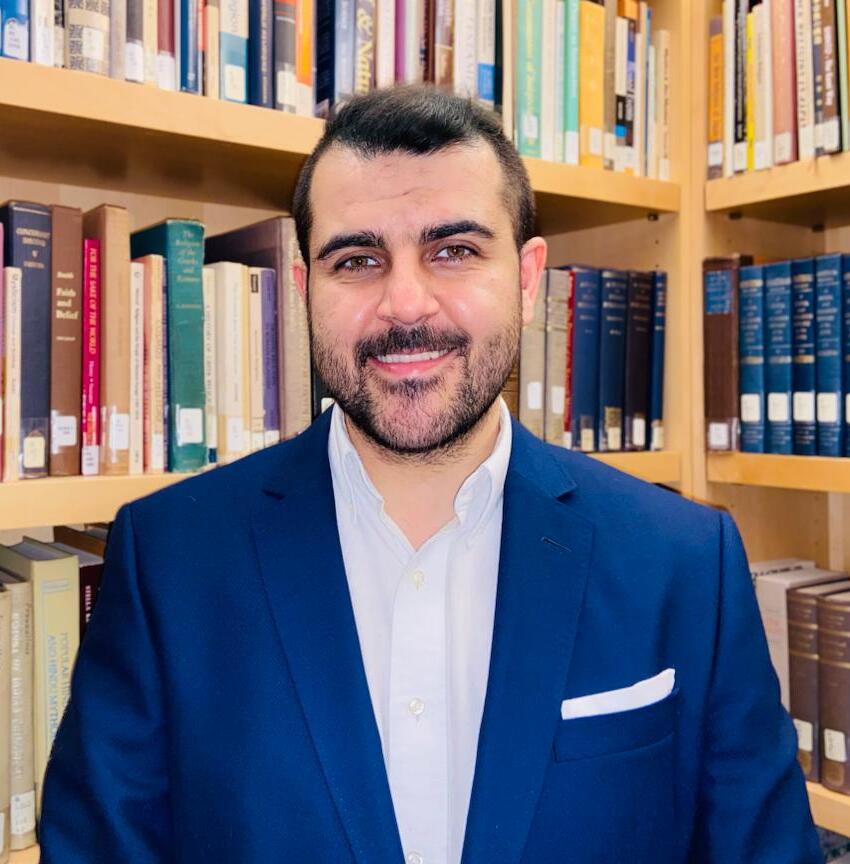
Nariman Aavani