Can Science Explain Consciousness? An Islamic View
Description
Modern science has transformed our understanding of the universe through experiment, mathematical modeling, and empirical explanations of nature. Yet “consciousness” remains one of its deepest puzzles. Have scientific theories actually explained consciousness, or have they largely explained it away in terms of brain activity and neurochemical processes? Drawing on the resources of the Islamic philosophical tradition, this lecture explores an alternative way of approaching the mystery of consciousness and asks whether understanding the mind ultimately requires us to move beyond a purely material account of reality.
A working command of the vocabulary of Islamic metaphysics — wujūd, māhiyya, the gradation of being — used precisely, not loosely.
The capacity to read primary texts of Ibn Sīnā and Mullā Ṣadrā with comprehension rather than reverence alone.
An understanding of why the tradition treats metaphysics as the science of realities — and what that claim asks of the knower.
Direct exchange with Professor Nasr in open Q&A after every session — the part no book can replace.
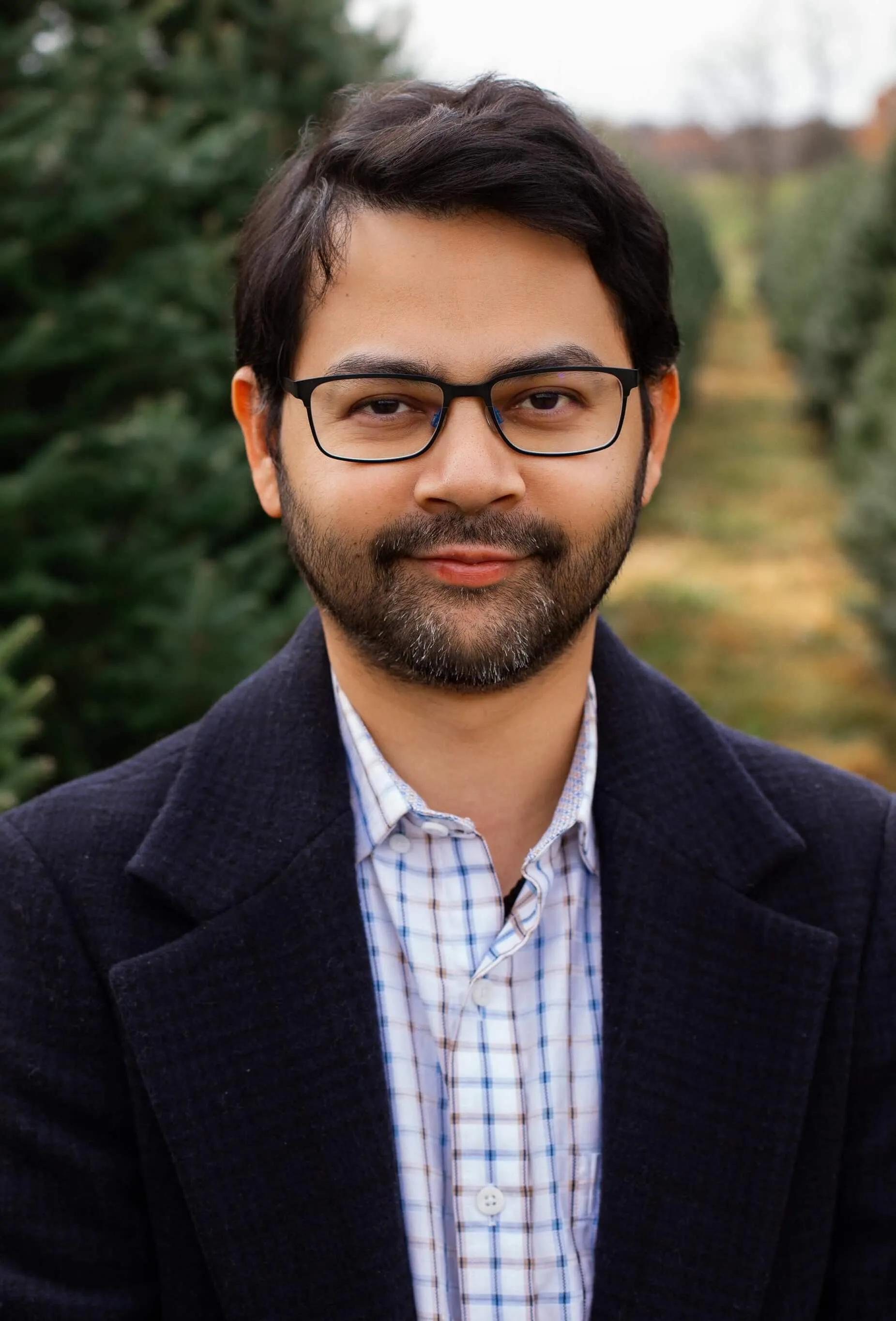
Muhammad Faruque is a scholar of Islamic philosophy, Sufism, environmental humanities, and global philosophy whose work explores the relationship between selfhood, consciousness, and technology in the modern world. Bridging Islamic intellectual traditions with contemporary philosophical and civilizational questions, his scholarship addresses climate change, AI, metaphysics, and the crisis of meaning in late modernity. At Tokat, he teaches the philosophical and contemplative foundations necessary for rethinking the human condition in an age of technological and ecological transformation.
