Spiritual Freedom and Colonial Captivity in a Poem of Shaykh Ahmadu Bamba
Description
At the turn of the 20th century, the French colonial administration consolidated its rule over much of West Africa and executed, exiled, or attempted to co-opt many Islamic scholars and spiritual leaders. As a result of his non-violent opposition, the Sufi shaykh and scholar Shaykh Aḥmadu Bambā (d. 1927) was arrested and repeatedly exiled, experiences that only increased his fame and the popularity of his educational movement and Sufi order, the Murīdiyya. During these exiles, Bambā wrote poems reflecting on French colonial occupation through West African Sufi, Islamic theological, and Arabic poetic traditions. In particular, his poem Asīru ma‘ al-abrāri (“I journey with the righteous”) describes the experience of exile, poetically inverting colonial constructions of freedom and power in favor of classical Sufi notions. Drawing on Fred Moten’s theorization of “fugitivity,” this lecture concludes with suggestions on what works like Bambā’s can contribute to contemporary conversations and movements in this time of intensifying colonial violence and opportunities beyond coloniality.
A working command of the vocabulary of Islamic metaphysics — wujūd, māhiyya, the gradation of being — used precisely, not loosely.
The capacity to read primary texts of Ibn Sīnā and Mullā Ṣadrā with comprehension rather than reverence alone.
An understanding of why the tradition treats metaphysics as the science of realities — and what that claim asks of the knower.
Direct exchange with Professor Nasr in open Q&A after every session — the part no book can replace.
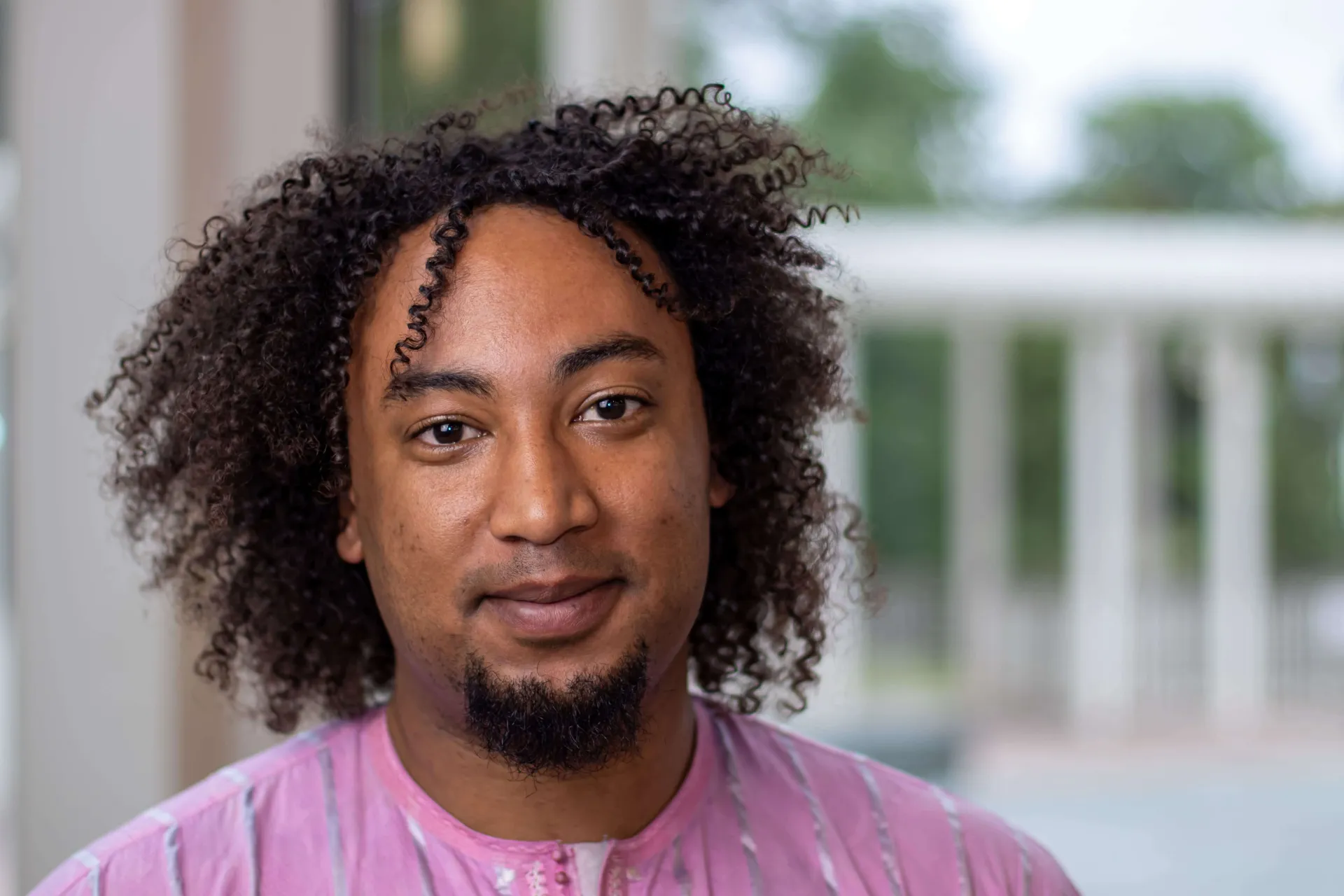
Oludamini Ogunnaike is one of the most innovative contemporary scholars working at the intersection of Islamic thought, African intellectual traditions, and comparative philosophy. His scholarship explores the rich philosophical and spiritual traditions of West and North Africa while advancing new approaches to decolonial and cross-cultural thought. Combining rigorous scholarship with literary creativity, Professor Ogunnaike’s work illuminates the intellectual depth of African religious traditions and their relevance for contemporary conversations concerning knowledge, democracy, spirituality, and human flourishing. At Tokat, he teaches Islamic and African intellectual traditions as living sources of wisdom, inviting students to explore how diverse philosophical and spiritual traditions can illuminate contemporary questions concerning knowledge, love, and human flourishing.