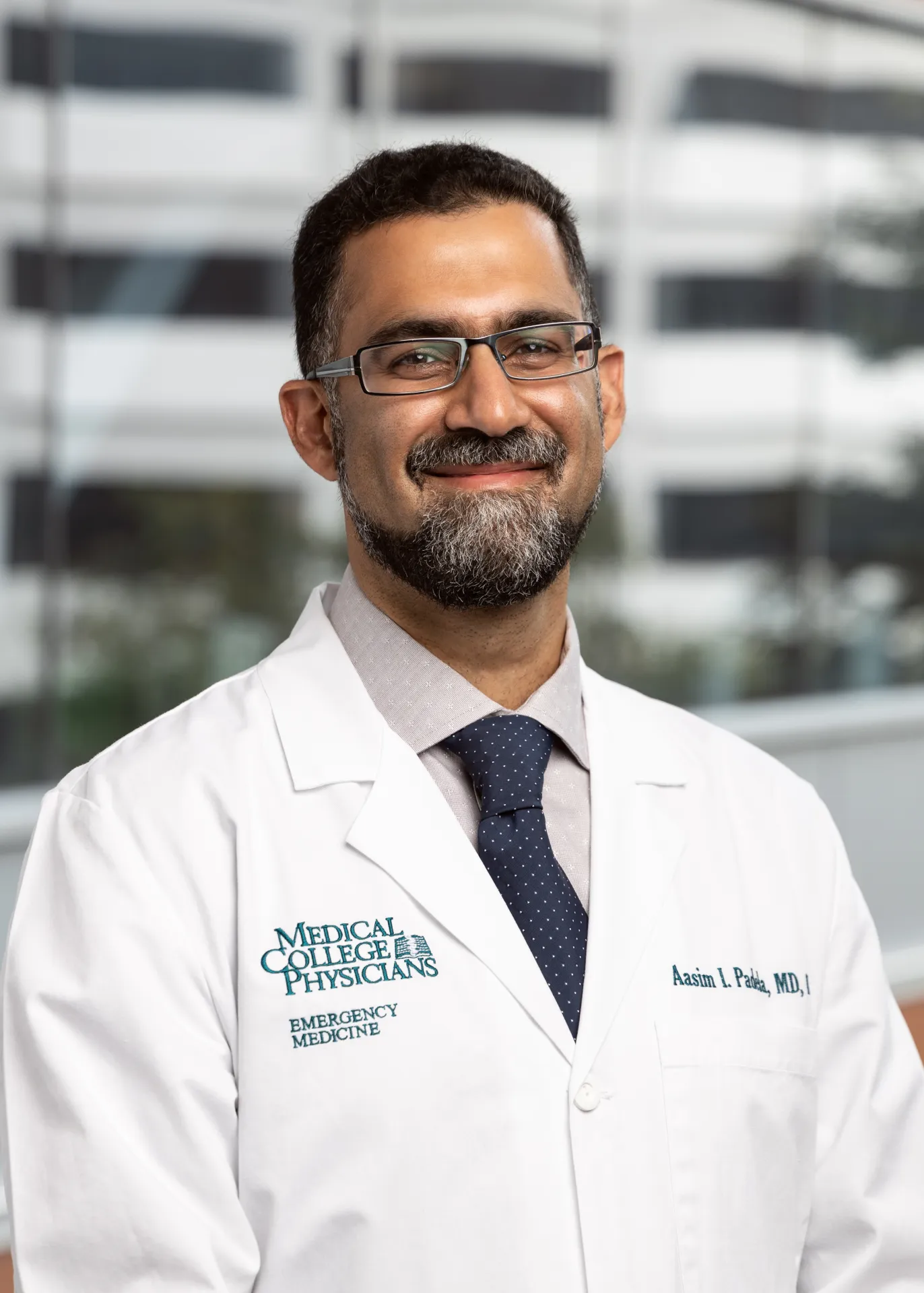
Constructing Death in Medicine: Muslim Controversies over Brain Death
Description
We live in an era of medicalized death, where individuals’ final moments are often spent in sterile environments, and families frequently face decisions about withdrawing or withholding life support for their loved ones. Biomedical advancements have also created ambiguous states between life and death, raising ethical questions about how we define and measure quality of life, determine death, and when our ethical responsibilities toward caring for others are fulfilled. In this context, this lecture explores Muslim bioethical perspectives on modern death and medicalized dying. Using empirical and sociological data, it highlights the ways in which death determination challenges Muslim clinicians and Islamic jurists, mapping the ethical issues involved in decisions about death in medical contexts. After critically analyzing the multidisciplinary discourse, the presentation proposes a procedural approach that conceptualizes death as a sociological construct, linking purpose to specific criteria to guide ethical practice. This framework aims to support educational and discursive efforts to help Muslims navigate the art of dying well.
A working command of the vocabulary of Islamic metaphysics — wujūd, māhiyya, the gradation of being — used precisely, not loosely.
The capacity to read primary texts of Ibn Sīnā and Mullā Ṣadrā with comprehension rather than reverence alone.
An understanding of why the tradition treats metaphysics as the science of realities — and what that claim asks of the knower.
Direct exchange with Professor Nasr in open Q&A after every session — the part no book can replace.