From Ibn Sina’s Necessary Existent to Fakhr al-Din al-Razi’s God
FALL 2025 Lecture Series
Seyyed Hossein Nasr
Being and Consciousness
September 5, 2025 - 12:00PM (EST) - 1 hour
Carl Ernst
Modern Misreadings of Mystical Commentaries on Hafez
September 10, 2025 - 7:00PM (EST) - 1 hour
Asma Afsaruddin
An Islamic Ethics of War and Peace
September 17, 2025 - 12:00PM (EST) - 1 hour
Shawkat Toorawa
Rhyme’s Reason: Translating the Qur’an’s (Most) Important Features
September 24, 2025 - 10:00AM (EST) - 1 hour
Abdallah Rothman
What is “Islamic” about "Islamic Psychology?
October 1, 2025 - 11:30AM (EST) - 1 hour
Maria Dakake
The Relationship between Prophecy and Sanctity: The Significance of Non-Prophetic Figures in the Qur’an
October 8, 2025 - 12:00PM (EST) - 1 hour
Mahmut Erol Kılıç
Multiple Degrees of Being in Sufism: An Interpretive Tool for Religious Understanding
October 15, 2025 - 12:00PM (EST) - 1 hour
Peter Adamson
From Ibn Sina’s Necessary Existent to Fakhr al-Din al-Razi’s God
October 24, 2025 - 10:00AM (EST) - 1 hour
A working command of the vocabulary of Islamic metaphysics — wujūd, māhiyya, the gradation of being — used precisely, not loosely.
The capacity to read primary texts of Ibn Sīnā and Mullā Ṣadrā with comprehension rather than reverence alone.
An understanding of why the tradition treats metaphysics as the science of realities — and what that claim asks of the knower.
Direct exchange with Professor Nasr in open Q&A after every session — the part no book can replace.
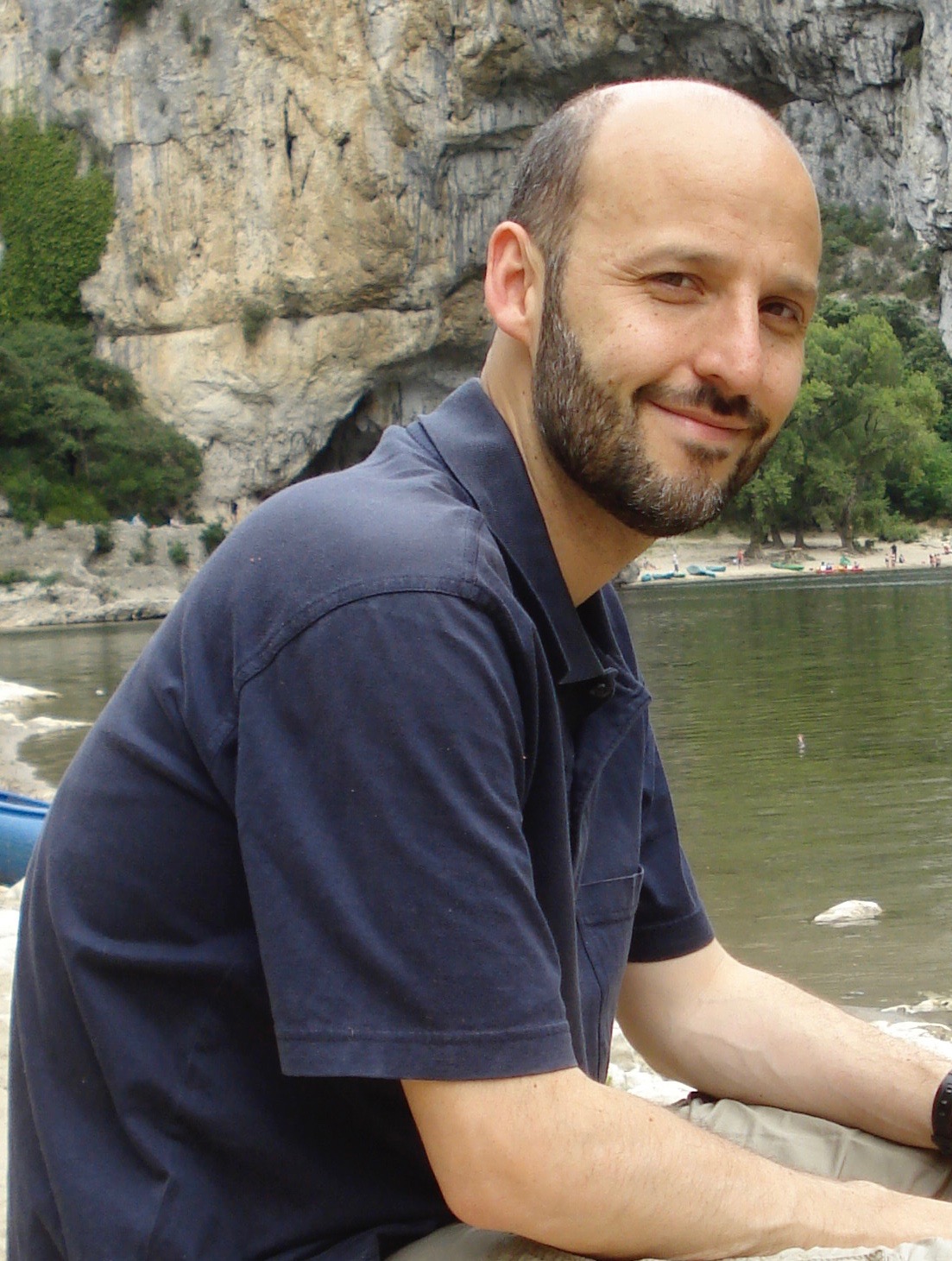
Peter Adamson is one of the world’s leading historians of philosophy and among the most influential public interpreters of the philosophical tradition today. His scholarship ranges across Greek, Islamic, medieval, and global philosophy, while his internationally acclaimed History of Philosophy Without Any Gaps project has introduced millions of listeners and readers to philosophy as a continuous and interconnected human conversation. At Tokat, he teaches the history of Islamic philosophy not as an isolated academic discipline, but as a living tradition that stretches across cultures, languages, and civilizations.