The Path of Muhammadan Love
This special lecture with Professor William Chittick offers an in-depth introduction to his forthcoming three-volume work, The Path of Muhammadan Love. The session will present the intellectual and spiritual scope of a project devoted to one of the most important texts in the history of Sufism and Islamic thought.
Volume One provides a full translation of Ibn al-Fāriḍ’s monumental 760-verse qasida, widely regarded as the most celebrated Arabic poem in the Sufi tradition and a pinnacle of devotional and metaphysical poetry. Volume Two presents a translation of Farghānī’s introduction to his commentary on the poem, a text that serves as an unparalleled synthesis of Islamic metaphysics, theology, and cosmology. Volume Three completes the project with a translation of Farghānī’s extensive 700-page commentary, offering a sustained and systematic exposition of the poem’s inner meanings.
In this session, Professor Chittick will outline the structure, aims, and scholarly significance of the trilogy, while reflecting on its contribution to the study of Muhammadan love, Sufi cosmology, and the broader intellectual tradition of Islam.
Date: Wednesday, February 18, 2026
Time: 12:00 PM EST
Free and open to public. Registration required.
A working command of the vocabulary of Islamic metaphysics — wujūd, māhiyya, the gradation of being — used precisely, not loosely.
The capacity to read primary texts of Ibn Sīnā and Mullā Ṣadrā with comprehension rather than reverence alone.
An understanding of why the tradition treats metaphysics as the science of realities — and what that claim asks of the knower.
Direct exchange with Professor Nasr in open Q&A after every session — the part no book can replace.
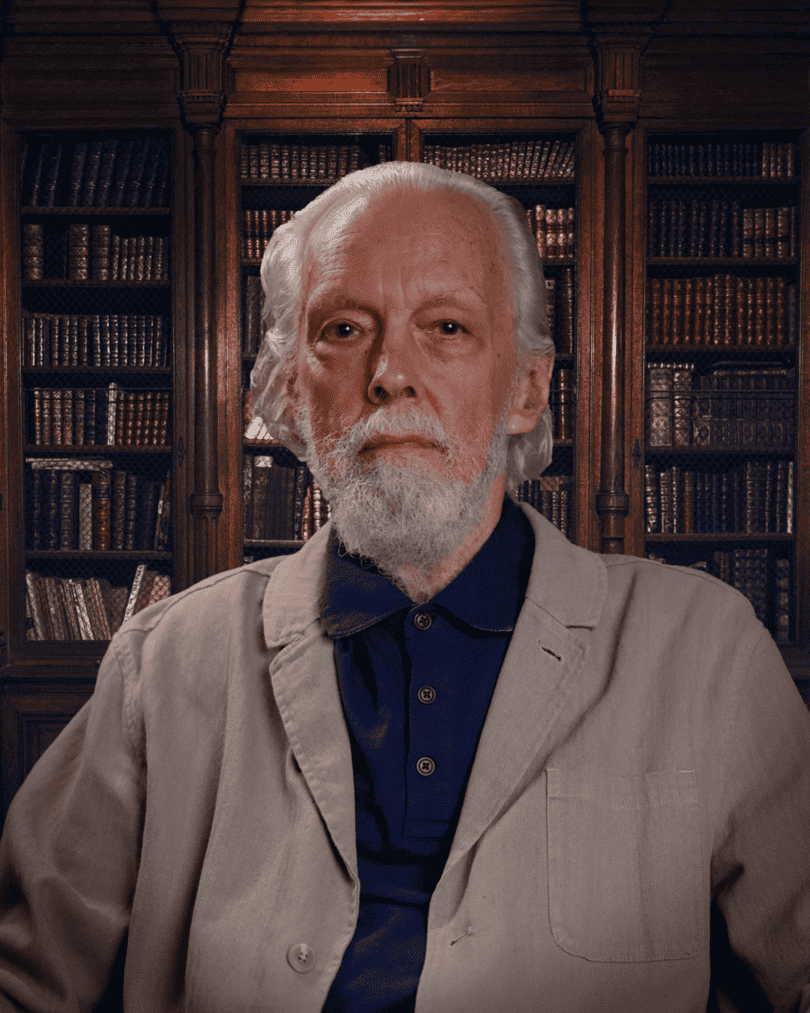
William C. Chittick is widely regarded as the English-speaking world’s foremost translator and interpreter of classical Islamic texts in the fields of Sufism and Ibn ʿArabī Studies. For more than five decades, his scholarship has introduced generations of students and scholars to the intellectual and spiritual traditions of Islam through authoritative translations and groundbreaking studies of figures such as Ibn ʿArabī, Rumi, Ṣadr al-Dīn al-Qūnawī, and Afḍal al-Dīn Kāshānī. At Tokat, he teaches Sufism and Islamic philosophy as living traditions of wisdom, guiding students through the writings of Islam’s greatest sages.